Build the Wall
or Lose it All
Are you ready to
build the Red Wall?
Commit to chase 100 early ballots and 100 Election Day ballots!

One Last Shot toHold the Line
2026 may be the most important election cycle of our lifetime. Years from now we will likely look back and determine this was the most influential election ahead of the pivotal 2028 presidential cycle. Who wins the presidency in 2028 ultimately determines which party will be in charge of the census in 2030. 2026 sets the table for 2028. Who wins 2028, runs the census and the 2032 redistricting. Losing means losing the country for a generation. The stakes have never been higher.
The road to 270
Winning the presidency isn’t about the national popular vote: it’s about reaching 270 of the 538 electoral votes to win. Replacing the “Blue Wall” and building a strong “Red Wall” means securing a reliable group of states that consistently deliver those votes, creating a clear path to victory.
Arizona:Statistically Most ImportantSwing State
Arizona has 11 Electoral College votes, soon to be 12– and without winning it, nearly 70% of all statistical strategic probabilities of winning the presidency are gone. As a new battleground state, Arizona must be well-financed, fully staffed, and protected with thoughtful litigation in order to preserve Republican pathways in 2028 and beyond. Winning Arizona now means winning nationally for a generation.
Cracking the Blue Wall
Both Nevada and New Hampshire have competitive electorates with large independent voter blocs. Flipping both would permanently weaken the Democrats’ former Blue Wall advantage. States like Nevada and New Hampshire may be smaller, but in a close race their electoral votes can chip away at the Democrats’ “Blue Wall”.

Momentum Risingin theBattlegrounds
Voter registration trends in Arizona, Nevada, and New Hampshire are increasingly competitive. Republican registration growth and strong independent blocs are reshaping the political landscape in these states.
New HampshiresetsThe tone
New Hampshire reports election results early on election night. A Republican victory there immediately signals a strong message: momentum is building. Early momentum doesn’t just add electoral votes: it shape media narratives and voter enthusiasm as results unfold across the country. This can energize turnout in later-reporting battleground states like Nevada and Arizona.
Building the Ground Game Nationwide
Turning Point Action is building permanent conservative infrastructure in key battleground states. This includes opening field offices and establishing full-time community managers to organize voters and build grassroots networks. Through relational organizing, thousands of activists knock on doors, send texts, make calls, and stay in constant contact with voters year-round. By the time Election Day arrives, these voters already know the movement and the people organizing in their communities.
Growing the Majority
Permanent grassroots infrastructure strengthens conservative victories beyond the presidential race. Building the Red Wall now helps elect Republicans nationwide for years to come.



Proven to win
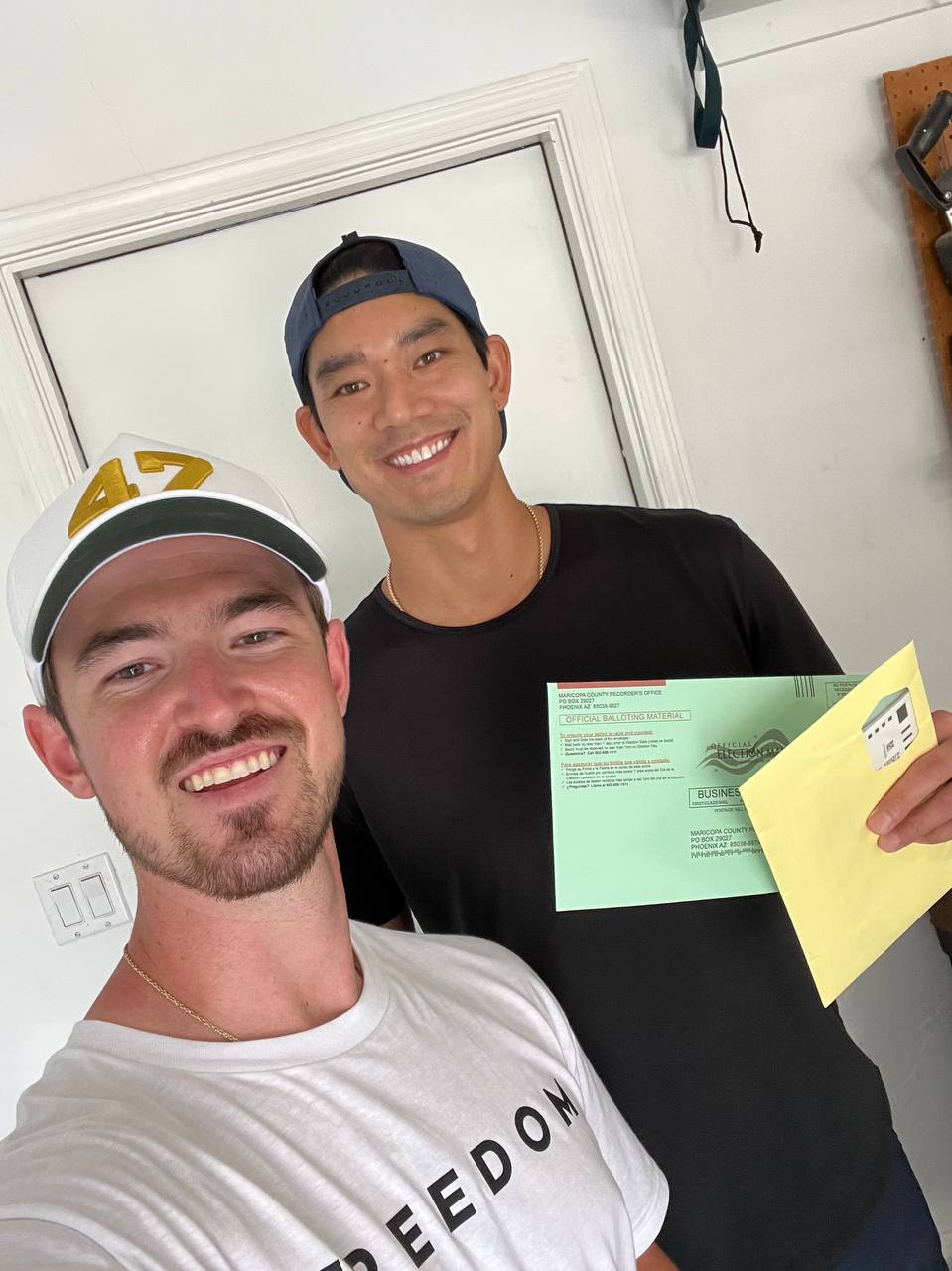
Our strategy isn’t guesswork, it’s a proven strategy that succeeds time and time again. By combining data-driven targeting, grassroots organizing, and the boots-on-the-ground work, we’ve consistently turned plans into victories, proving that our methodology delivers results when it counts. In 2024, Turning Point Action’s Chase The Vote initiative draw victories in target states throughout the country to pave way for President Trump’s monumental win. On a local scale, TPAction’s Chase The Vote initiative is responsible for a victory against Kamal-supported Arizona Councilwoman Julie Spilsbury, as well as a massive success in AZ’s Salt River Project.
Battling bigEnvironmentalDollars
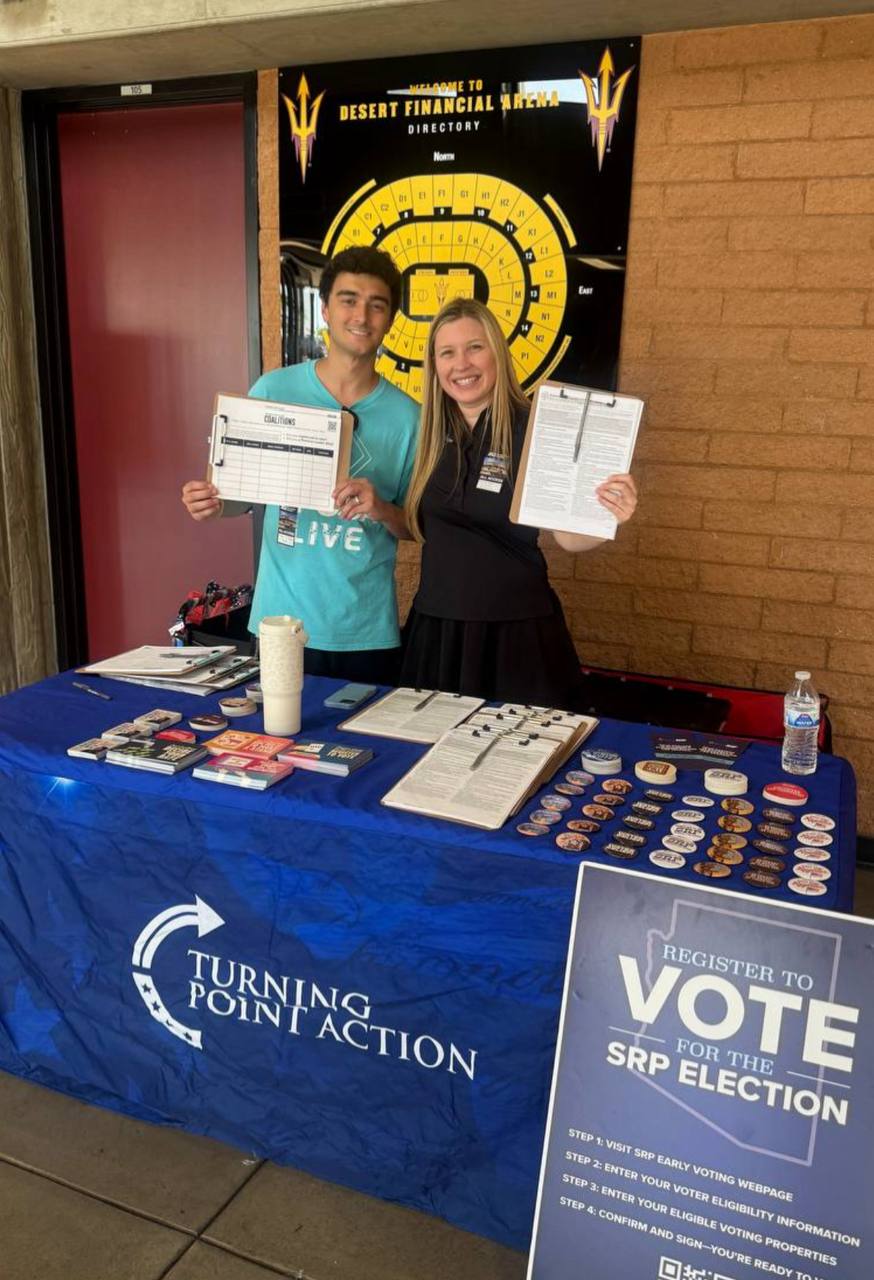
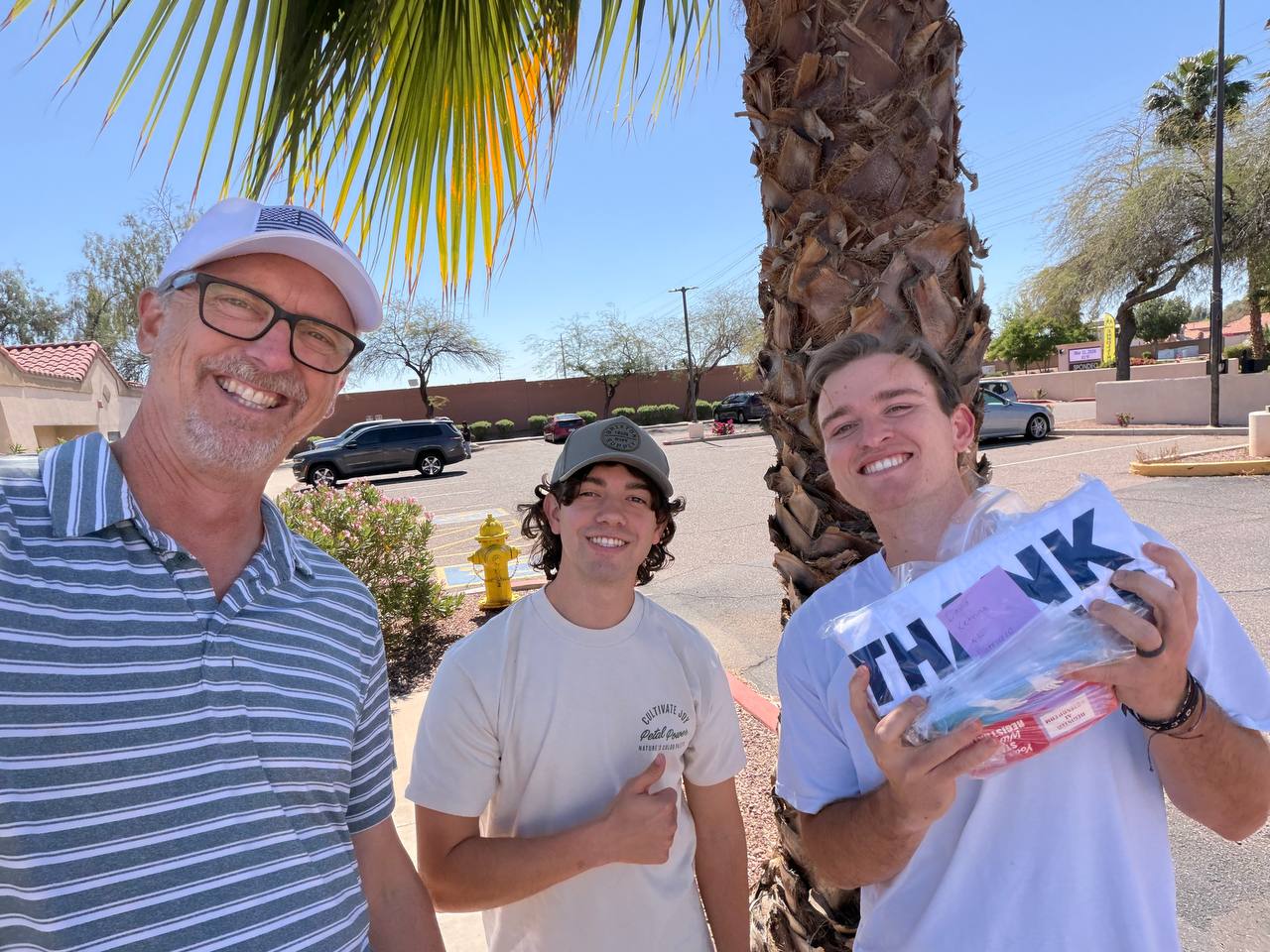
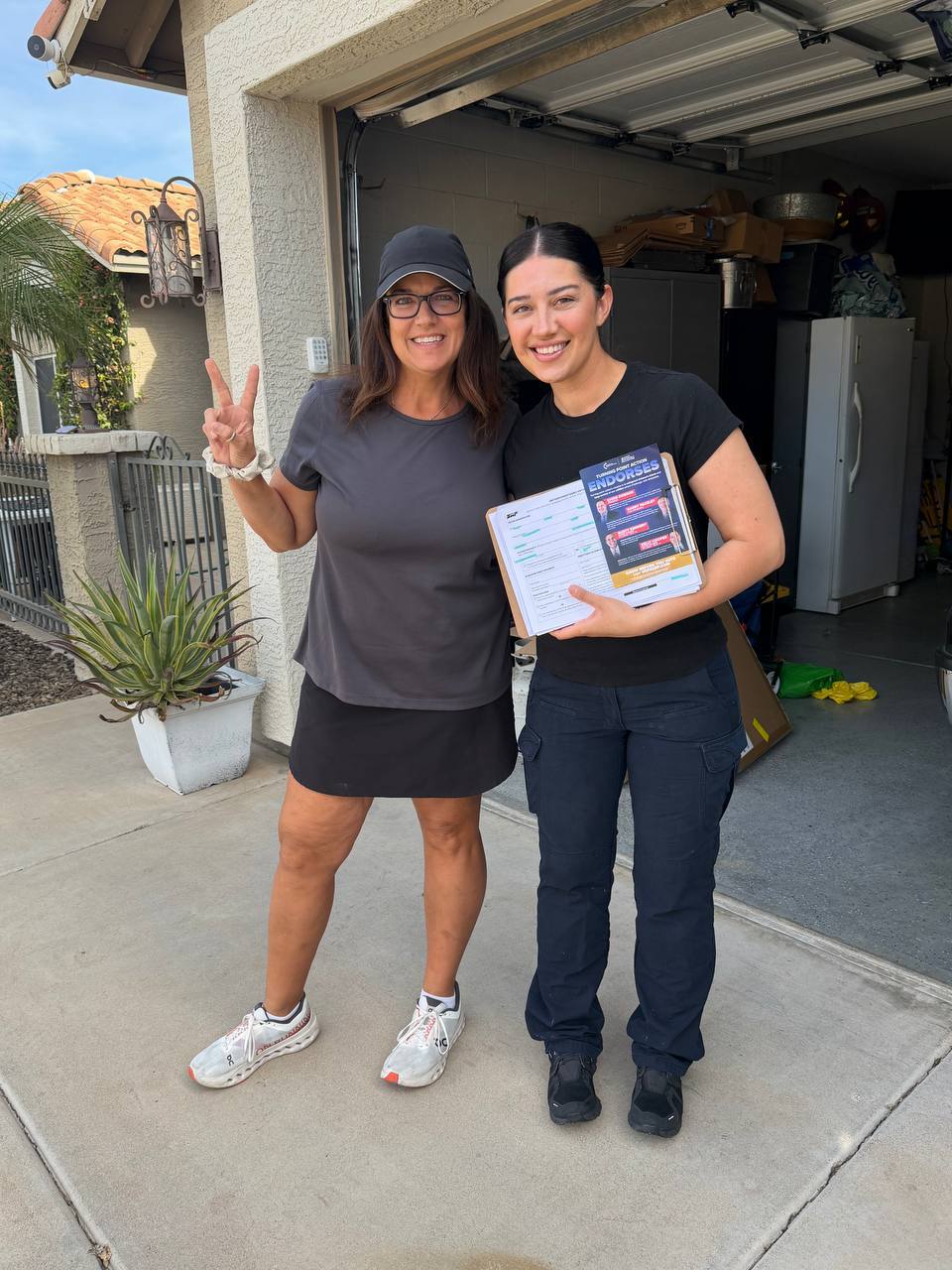
This year, we took the fight to the field in Arizona’s Salt River Project race by going head-to-head with massive environmental spending in this race. We fought back victoriously with a strategy that puts Arizona families, jobs, and communities first. Each small victory leads to building the Red Wall to protect American for generations to come.
Turning Point Action (TPAction) is a 501(c)(4) organization. We exist to equip and empower all generations to engage in grassroots activism and emerge as leaders in their communities.
Subscribe for TPACTION News, Updates, and Events
© Copyright 2026 | Turning Point Action (TPAction) is a 501(c)(4) organization